Let’s Change That Perception
Firstly, let’s deal with the “elephant in the room” (pun intended!).
Vultures are ugly, long necked freaky creatures - right?
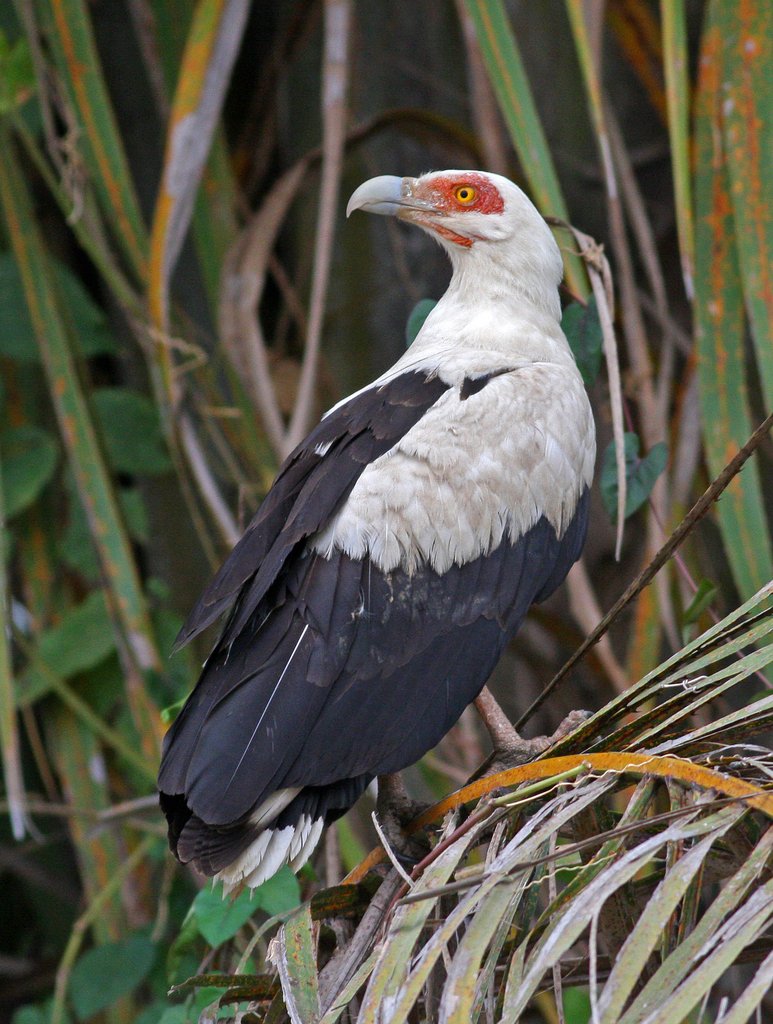
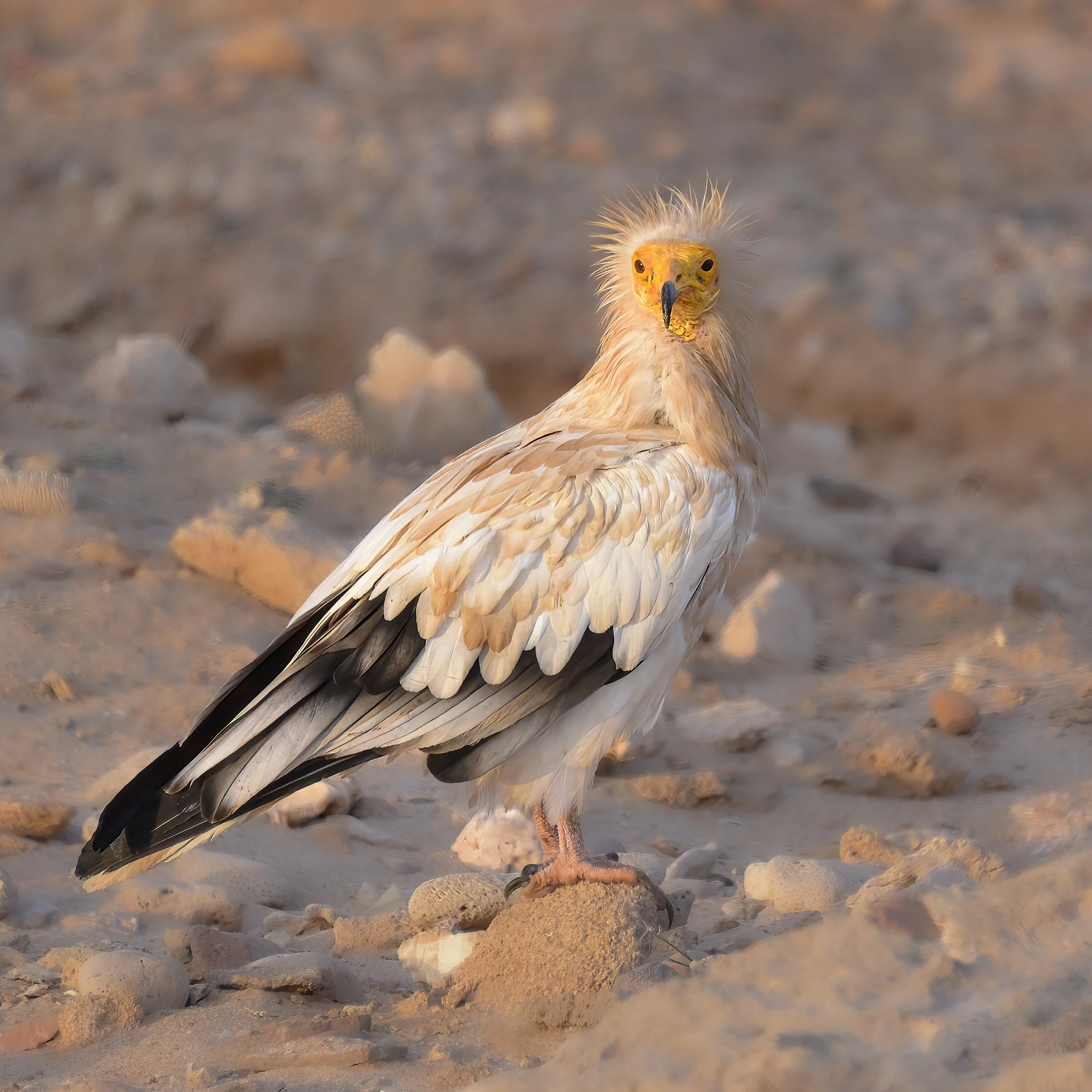
While some vulture species might fit this description, they only represent a small portion of the sheer diversity exhibited by vultures as a group. As you can see below, that certainly isn’t true for all vultures:
Why Vultures Matter
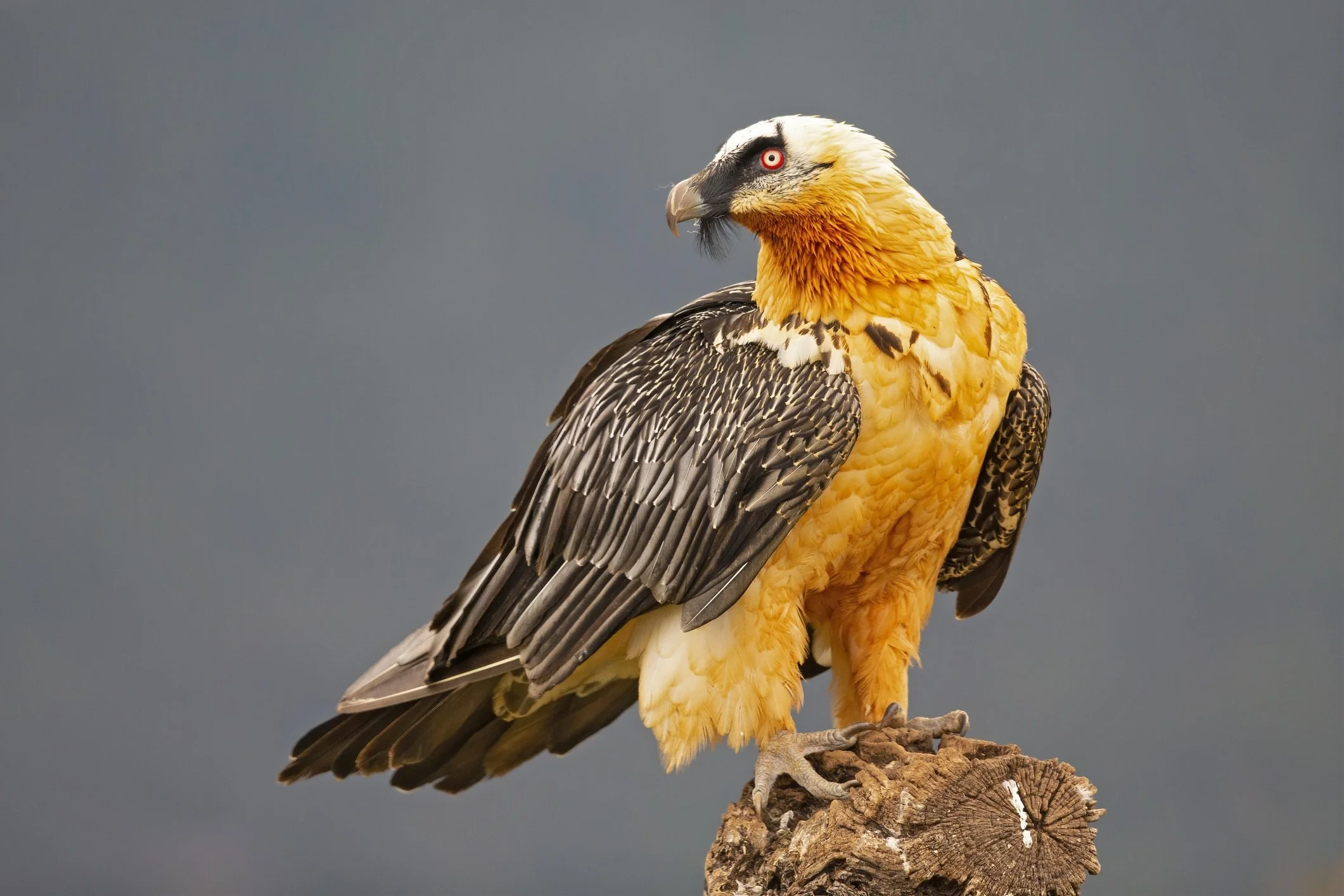
Bearded Vulture
Palm-Nut Vulture
Egyptian Vulture
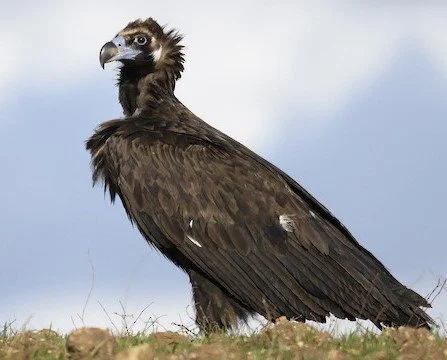
Cinereous Vulture
Corpse Decomposition
Vultures do a great job in getting rid of decomposing corpses.
The absence of vultures in ecosystems has led to the rise of other scavengers, most notably scavenging mammals such as jackals and hyenas, to fill the niche the vultures previously did. However, in comparison to vultures, scavenging mammals generally do a much poorer job in corpse disposal. For one thing, the soaring flight employed by vultures enables them to cover much greater distances than a terrestrial mammal ever could. In fact, in the Serengeti, over 80% of corpses ended up being consumed by vultures before any scavenging mammals could even arrive. Not only this, but the presence of vultures decreases the time taken for a corpse to decompose by, on average, about 2 thirds.
Corpse decomposition is not just important for the natural world, but also for human civilisation as well. In the wake of the decline in vulture populations, places in India began setting up plants to process cattle livestock in their stead. However, studies have shown that allowing vultures to deal with the remains of cattle is significantly less costly to the government than the plants would be, in both the short term and in the long term. So not only do vultures provide a tangible benefit to the natural world, but also to the human economy.
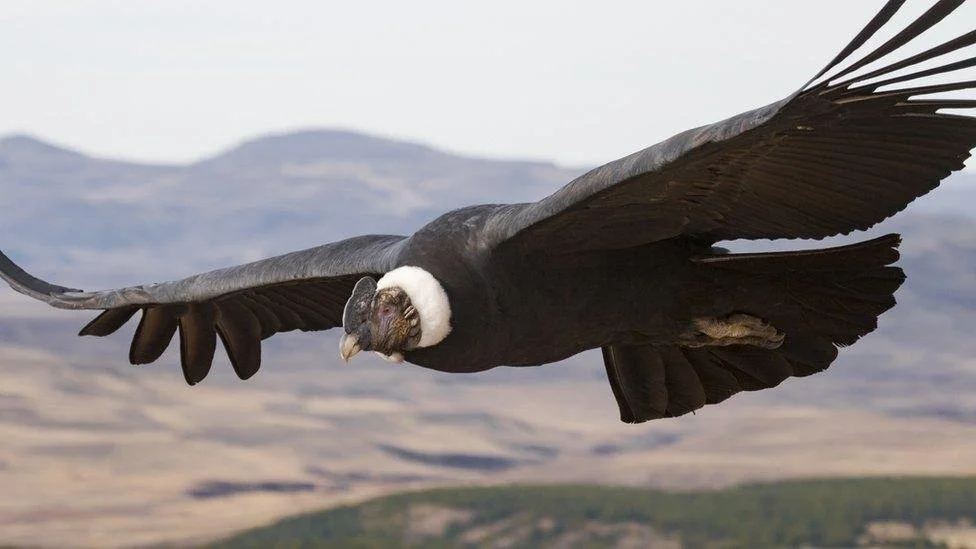
Andean Condor
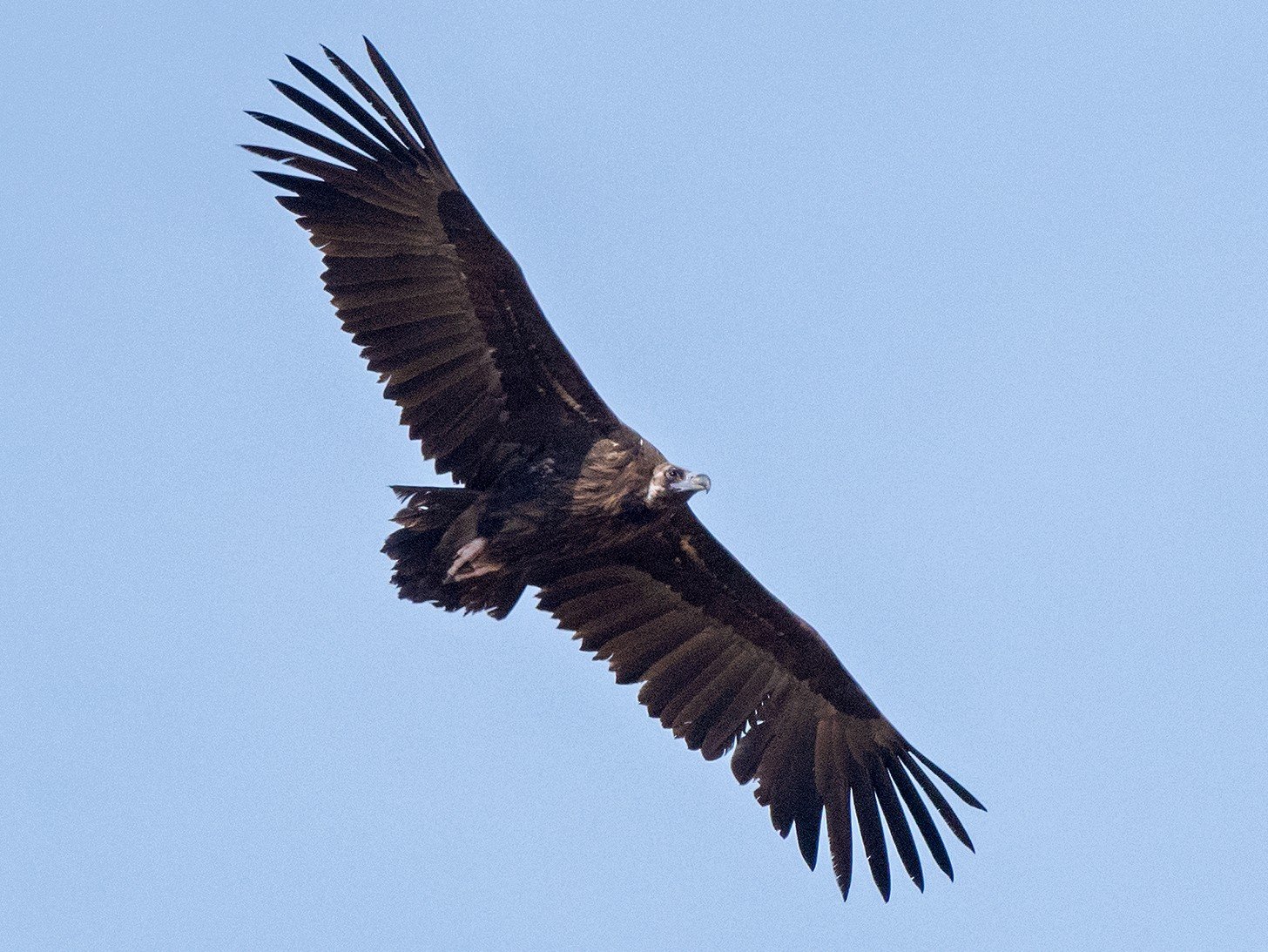
Cinereous Vulture
Disease Prevention
Another major way in which vultures provide a benefit, not just to the ecosystem but to humans as well, is in the way they prevent the spreading of major infectious diseases. For one thing, vultures have evolved a highly acidic gastric acid in order to easily digest the carcasses they feed upon, which are typically infested with several pathogenic diseases.
The general perception of vultures seems to be that they carry disease. However, the opposite is actually true. Far from serving as a disease vector, they actually help to remove infectious diseases from rotting corpses and prevent them from being transmitted.
This isn’t the only way in which the presence of vultures helps to combat the spread of infectious diseases. Once vulture populations began to fall in India, the populations of feral dogs began to rise by an estimated 7.25 million. Feral dogs, unlike vultures, are known vectors of infectious diseases such as rabies. As a result, the increased presence of dogs in the region has been linked to an increase of around 50,000 deaths over a 14 year period, costing the Indian government roughly $34 billion.
It isn’t just human fatalities that a decrease in vultures can cause. Feral dogs also aid in the spread of Brucella melitensis, an infectious disease spread between cattle that cause a Bovine equivalent of tuberculosis. While vultures typically aid in destroying the pathogen when they feed upon the cattle, feral dogs don’t. As a result, an estimated 22 million cattle were believed to have been infected with Bovine tuberculosis.
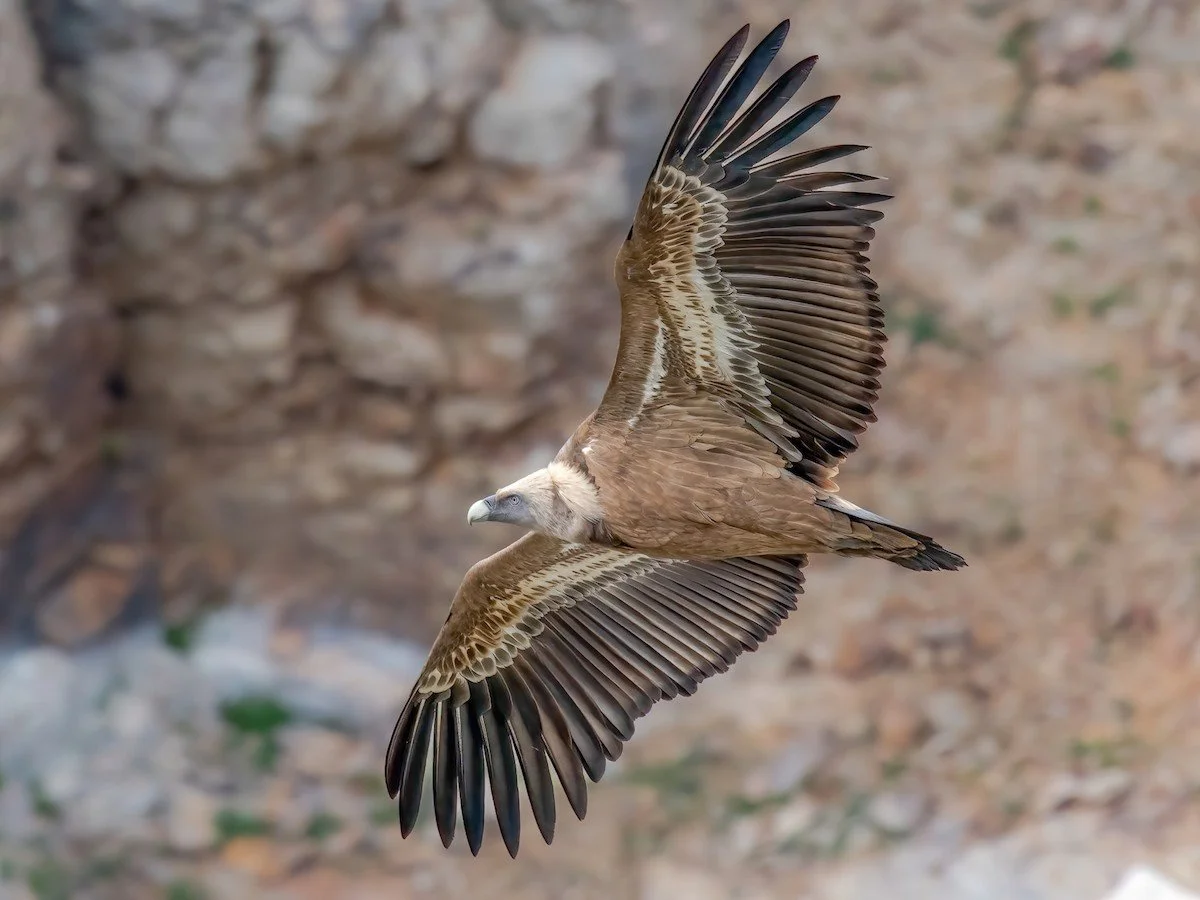
Eurasian Vulture
Cultural Significance
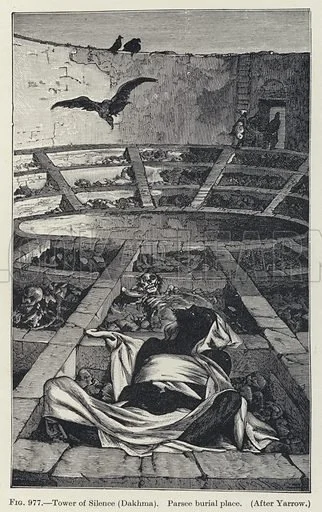
It’s not just physical benefits that vultures provide. In specific communities, vultures also serve as important parts of their culture and are, indeed, revered. For example, the Zoroastrian-practicing Parsi community within India do not believe in either burial or cremation, and are instead known to perform a ritual with their deceased known as a “Sky Burial”. This involves placing the recently deceased within open-roof structures known as a dakhmas ( “Towers of Silence”), which are constructed on top the peak of a low-lying mountain. This leaves the body open to the elements, allowing for vultures to come inside and consume the body.
Similar sky burials, or excarnation, involving vultures are also used in Tibetan Buddhism and parts of China.
However, due to the recent crashes in vulture populations in the regions, this ritual cannot be performed as effectively. Due to this, the community has instead resorted to the use of manually-installed solar concentrators to dispose of the dead, which can be costly to install and are not as efficient.
The Andean Condor has been venerated for centuries in Andean culture particularly the inca and Quechua. They symbolised renewal, transformation and balance.