In recent years, vultures have experienced a severe crash in terms of populations, with 11 of the 16 species of Old World vulture being considered endangered, 8 of them critically so. The white-rumped vulture in India has experienced a population decline of over 95%, while 7 species of African vulture have had their populations decrease by over 80%.
In this section, I will be detailing the various ways in which the livelihoods of vulture species have been threatened.
Threats to Vultures
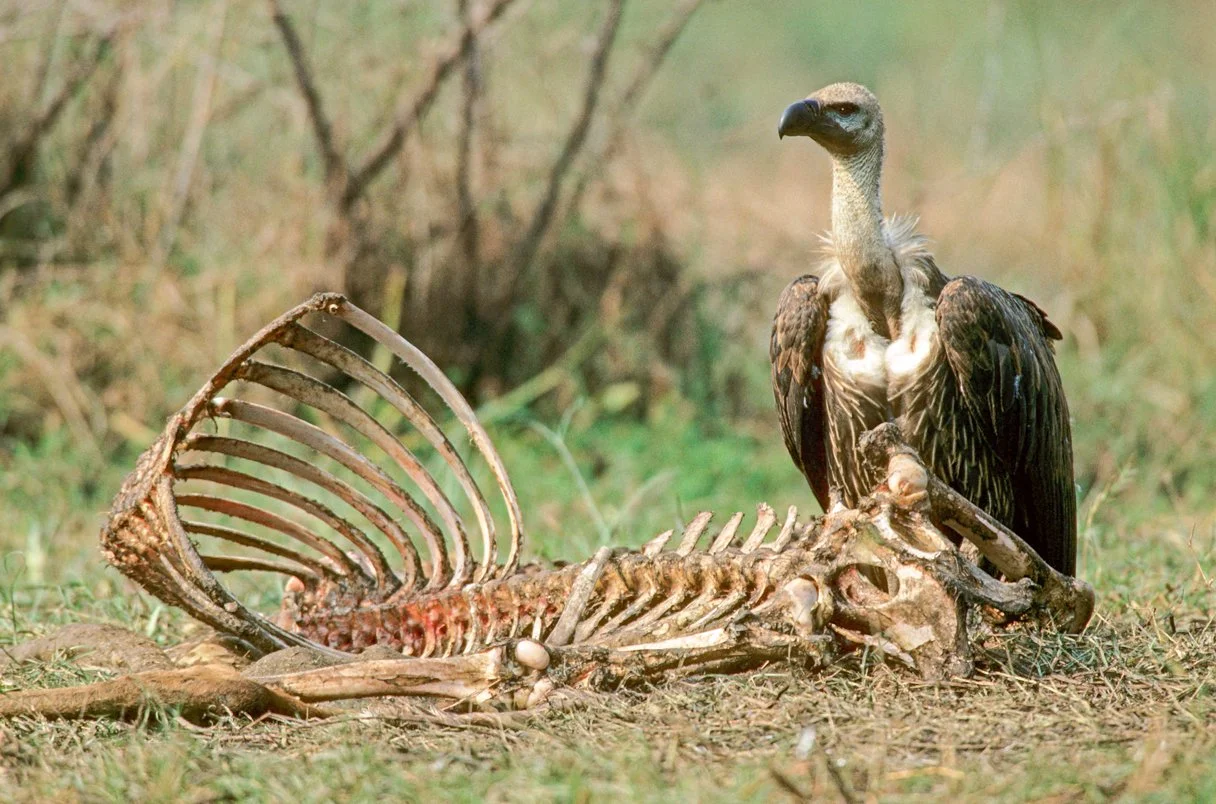
India
Out of all places on Earth, India is probably the place that has experienced the worst decline in its vulture populations.
The main cause of this decline is tied to the widespread use of Diclofenac, an anti-inflammatory drug typically given to cattle to treat conditions such as mastitis. While the drug is harmless to the cattle who consume it, Dicolfenac can still be in their bodies after death. The vultures begin to feed on the corpse and the drug, still present within the corpse, is ingested by the bird. This causes it to suffer from severe kidney failure, leading to the death of the poor vulture. Around 85% of vulture deaths on the sub-continent were linked to Diclofenac.
Simply reducing the amount of the drug given out to cattle would not have had much of an effect. If only 1% of cattle were to be infected with Diclofenac, the severe crash in vulture populations observed in India would still have happened.
Thankfully in 2006, the use of Diclofenac in cattle was banned in India, however the populations of vultures within the region had been so dramatically affected that they have yet to properly recover. In fact, most are still being recorded as decreasing according to the IUCN. Vultures in general are birds ill-suited for recovery from population crashes, as they have both a late sexual maturity and a slow rate of reproduction, with most vultures only laying 2 eggs per clutch every year.

Africa
Unlike in India, the causes of vulture decline in Africa are more multifaceted but typically all link back to a single underlying issue – humans. Or, to be more specific - poaching. Vultures themselves are often the direct target of poachers, with Burkina Faso specifically being a hotspot for the selling of illegal vultures products. Most commonly, it is the heads of the birds which are sold, often due to a perceived spiritual or medicinal use attached to them.
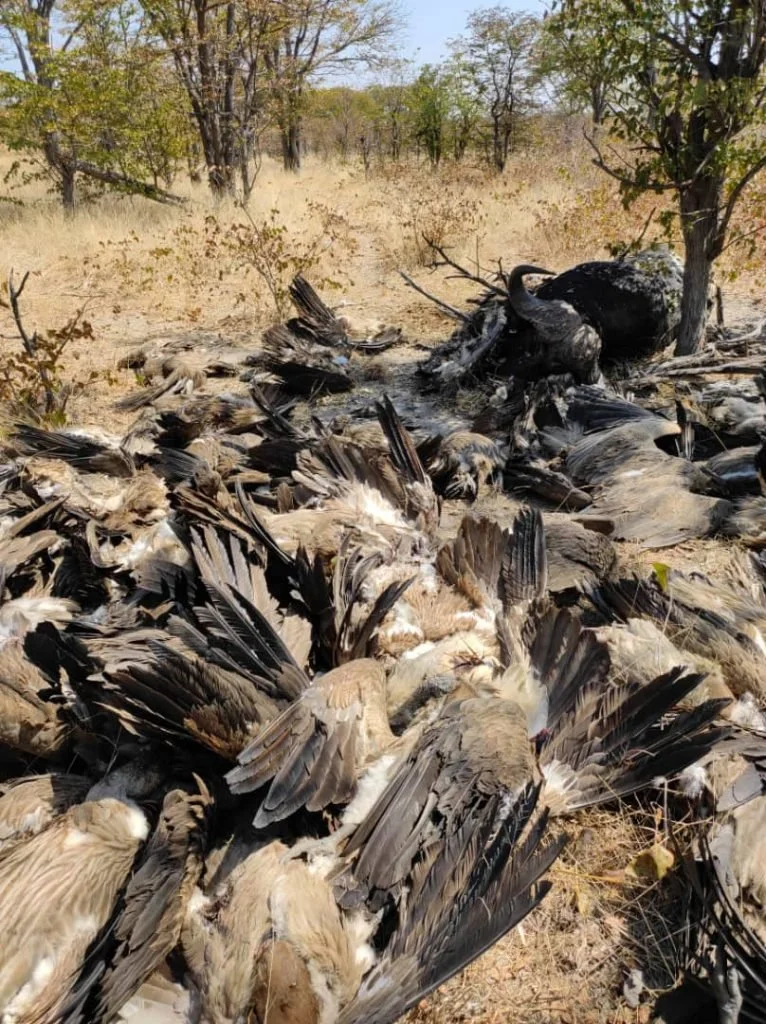
However, an even more notable cause of African vulture decline is, actually, very similar to their cousins in India - namely the consumption of carcasses which have been poisoned. This can either be an unintended consequence of the use of poisons to kill larger animals such as elephants, or even a deliberate attempt to kill the vultures directly. This is done because (as the stereotype in the movies shows) a circling flock of vultures signals that there is a corpse available. If that carcass is as a result of poaching, it can draw undesired attention to the illegal activity. The logic is simple, get rid of the vultures and the signal is removed.
The use of poisons is especially deadly to vultures for two specific reasons: 1). Their habit of feasting on corpses on mass means that a single poisoned corpse can typically kill several vultures at once and 2). The long lifespans of the typical vulture means they can more easily accumulate poison inside their bodies over time.
A sad but noteworthy example of the damage that poisoned carcasses can do happened in Kruger National Park between May 2015 – February 2016. There 3 poisoned carcasses were enough to kill 221 vultures. The death count would have been much higher but, fortunately, the third carcass was found and neutralized early. Research conducted around the National Park determined that poisoning elephant carcasses alone could be enough to cause the localised extinction of vultures in the region. It was calculated that a single carcass with sufficient poison could potentially kill around 300 vultures. So as few as one carcass every two years could severely endanger the local vulture population!