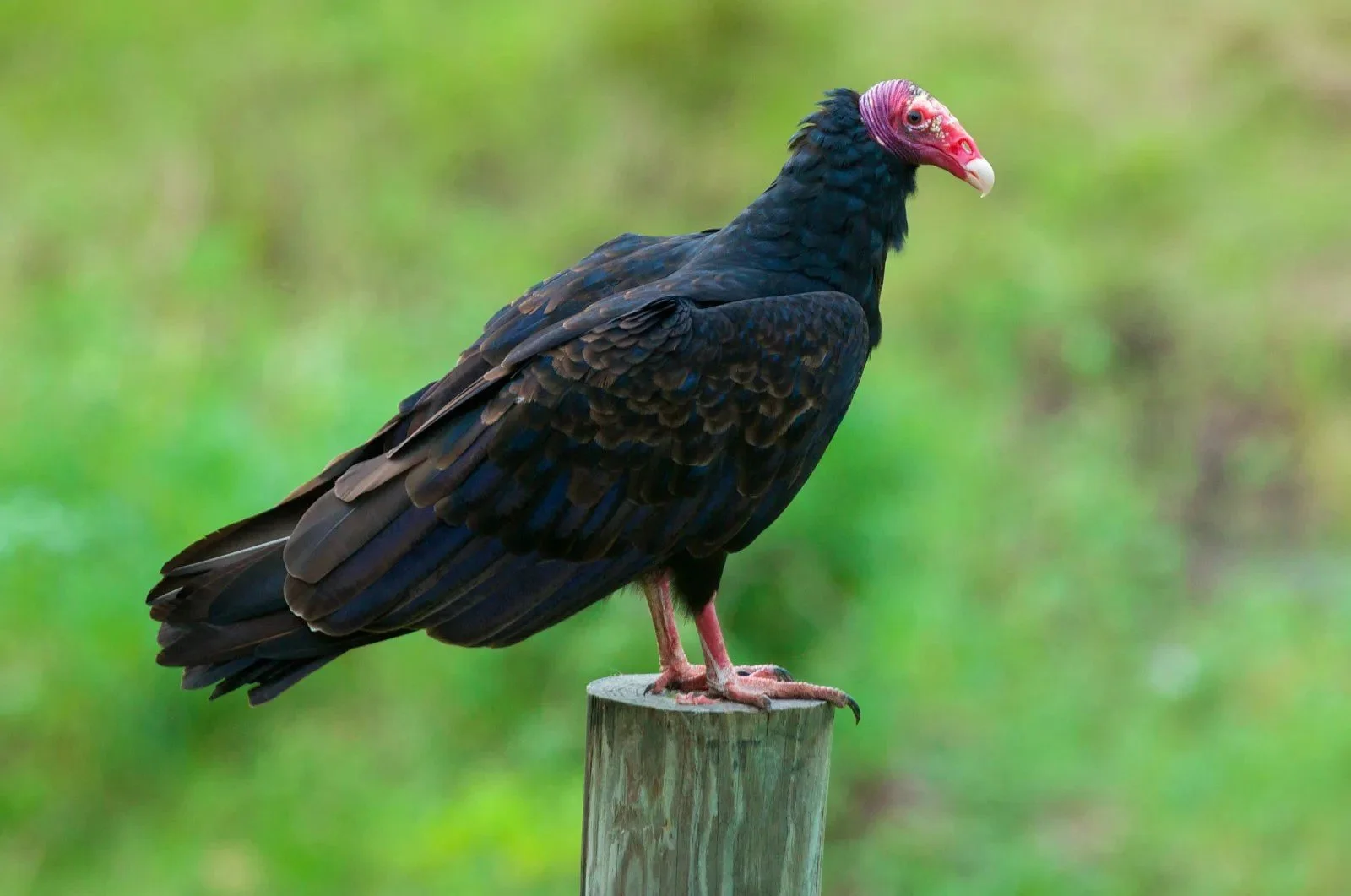
New World Vultures
Cathartes aura
Distribution: All throughout the Americas barring Northern Canada
Physical Appearance: Head covered in red featherless skin with a white beak; notable hole present on the bill. Feathers are blackish-brown, light grey on the underside of the wings. Neck is feathered.
Wingspan: 1.6 – 1.8 m
Mass: 0.8 – 2.3 kg
Conservation Status (CS): Least Concern
Fun Fact: One of the few birds to possess a sense of smell.
Turkey Vulture
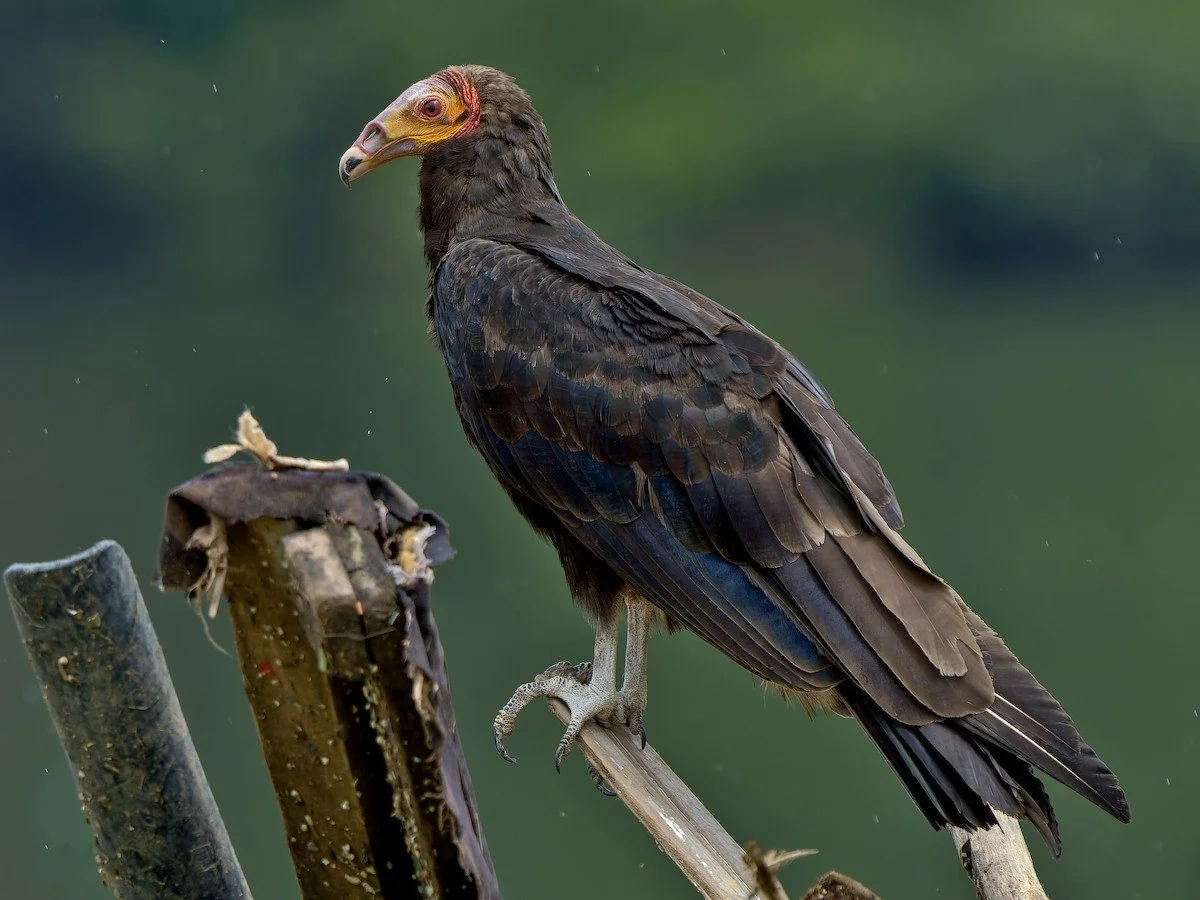
Cathartes burrovianus
Distribution: Central America through to Venezuela, Northern Brazil and parts of Southern Brazil and Uruguay
Physical Appearance: Head is covered in orange-yellow featherless skin with a blue crown, red nape and white beak. Black plumage, light grey on the underside of the wings. Smaller in size and lighter in build than the greater yellow-headed vulture with a more orange head
Wingspan: 1.5 – 1.65 m
Mass: 1 – 1.55 kg
CS: Least Concern
Lesser Yellow-Headed Vulture
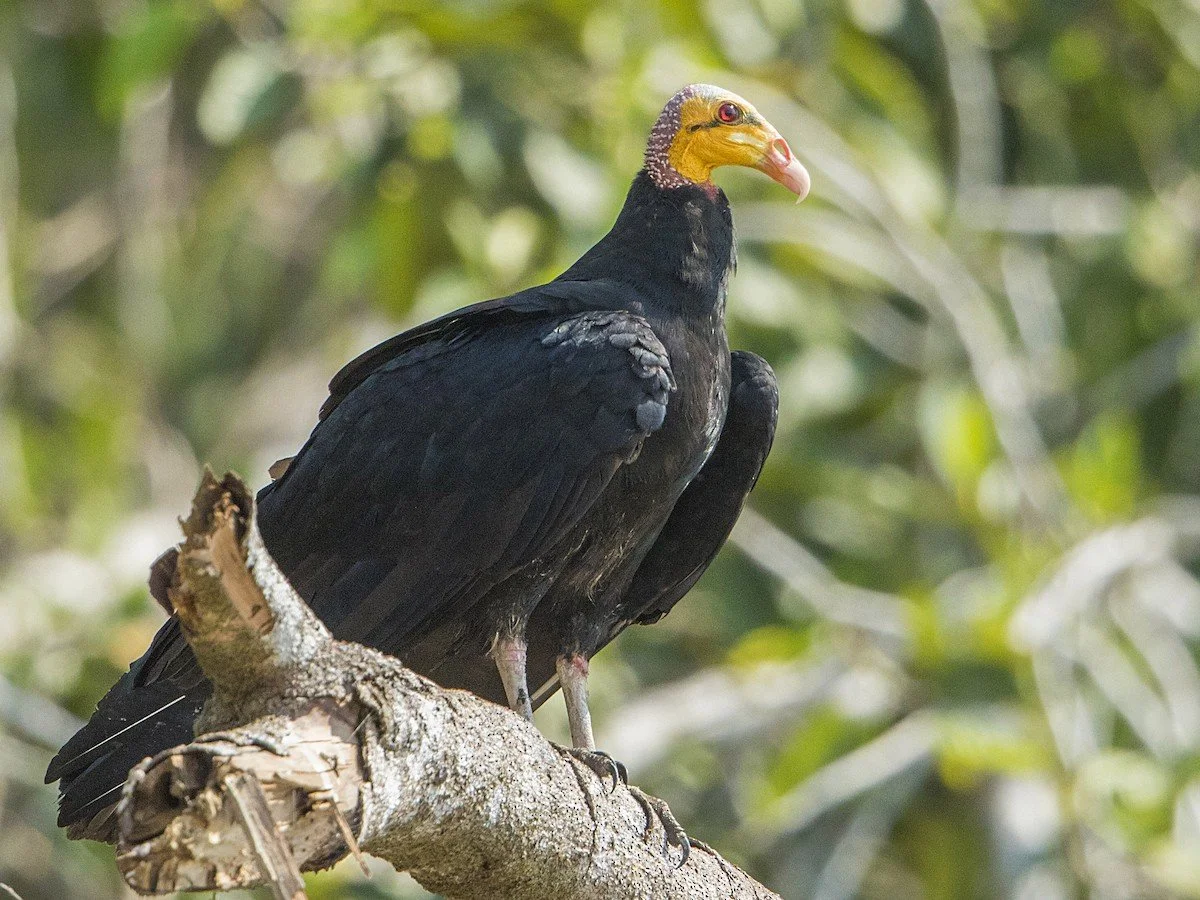
Cathartes melambrotus
Distribution: Northern South America
Physical Appearance: Head is covered in yellow featherless skin with a white beak. Plumage is blacker in colour than the lesser yellow-headed vulture, with the underside of its wings instead being a dark grey. It is also larger and bulkier with glossier plumage and less pink skin on its head.
Wingspan: 1.7 – 1.8 m
Mass: 1.65 kg
CS: Least Concern
Greater Yellow-Headed Vulture
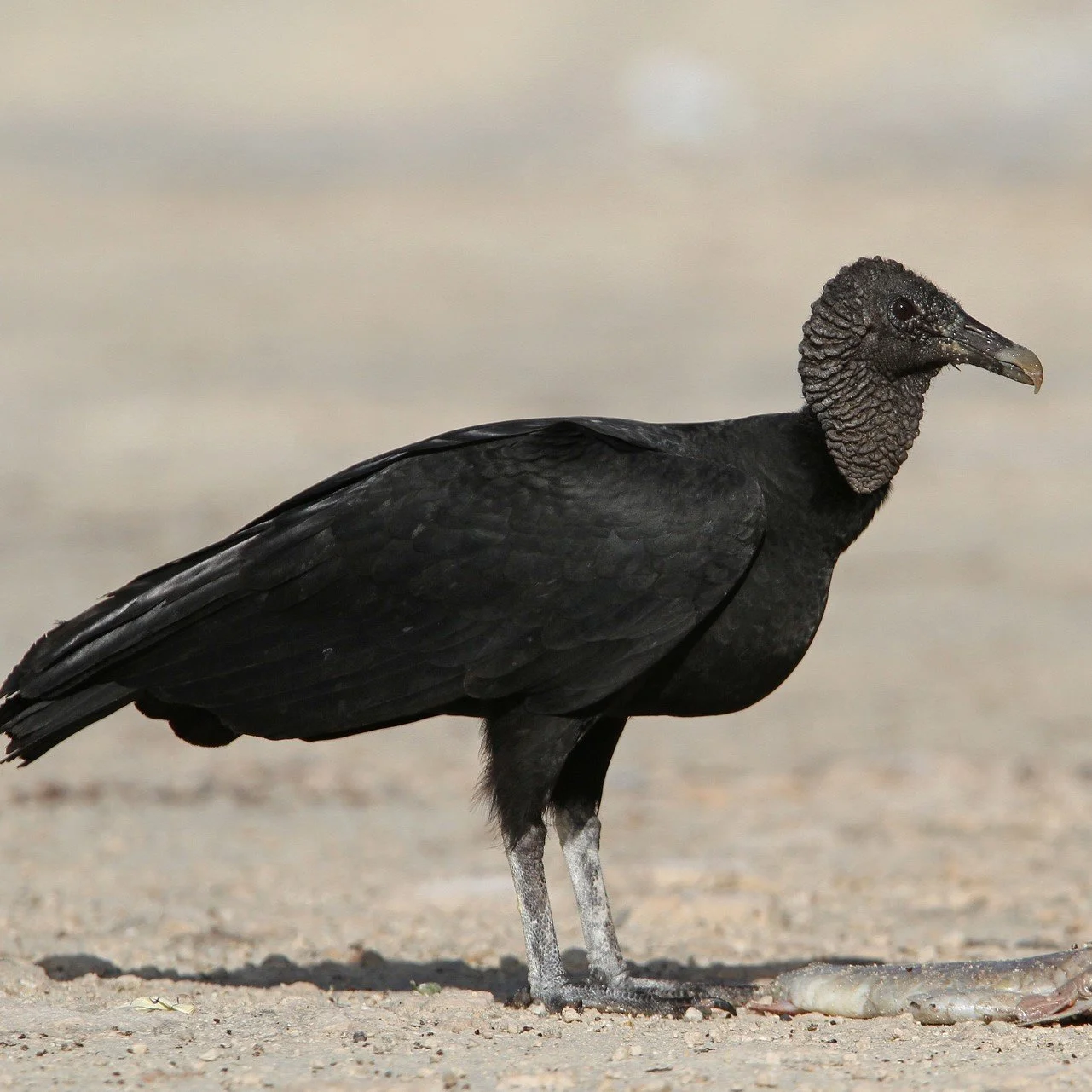
Coragyps atratus
Distribution: Southern USA to Northern Argentina
Physical Appearance: Distinct dark-grey featherless skin on its head and neck. Shorter and broader wings compared to turkey vultures. Wings have white patches on the outer third, easily visible in flight.
Wingspan: 1.3 - 1.7 m
Mass: 1.2 – 2.75 kg
CS: Least Concern
Fun Fact: As it lacks a sense of smell, they will often tail Turkey Vulture’s in order to locate food
Black Vulture
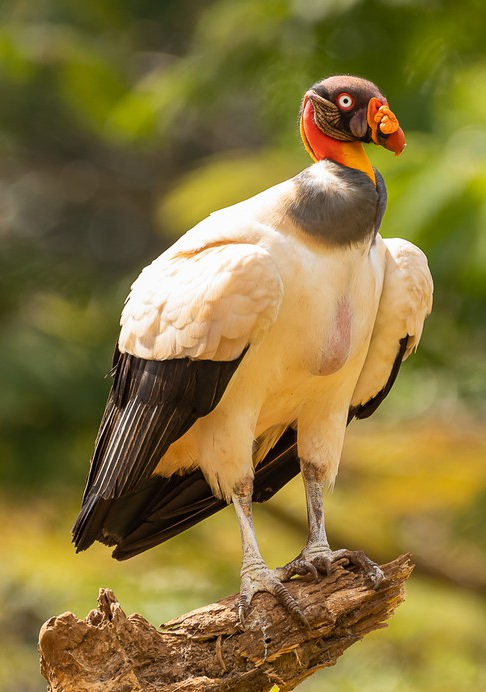
Sarcoramphus papa
Distribution: Central America to Northern South America
Physical Appearance: Primarily white plumage, with black flight and tail feathers. Brightly coloured head, featuring blue and purple coloured skin covered in light feathering, with orange and yellow skin present on the neck. It possess a black beak tipped with red, a prominent orange caruncle above its beak and wrinkled grey skin at the back of its head. Grey ruff present around the neck.
Wingspan: 1.2 – 2 m
Mass: 2.7 – 4.5 kg
CS: Least Concern
Fun Fact: Held cultural significance to the Mayan civilization, who saw it as a messenger between humans and the Gods.
King Vulture
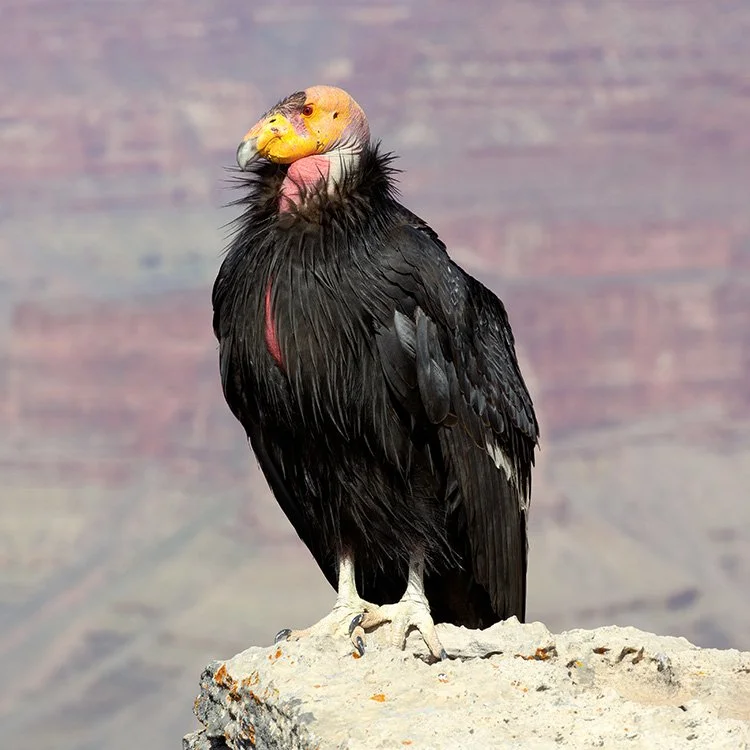
Gymnogyps californianus
Distribution: California and neighbouring states
Physical Appearance: Head covered in bare skin ranging from yellowish to pinkish. Black plumage with distinctive white patterns on its wing’s underside. Black ruff present around the neck
Wingspan: 2.5 – 3 m
Mass: 7 – 14.1 kg
CS: Critically Endangered
Fun Fact: Is the tallest species of vulture, standing between 1.1 - 1.4 metres.
California Condor
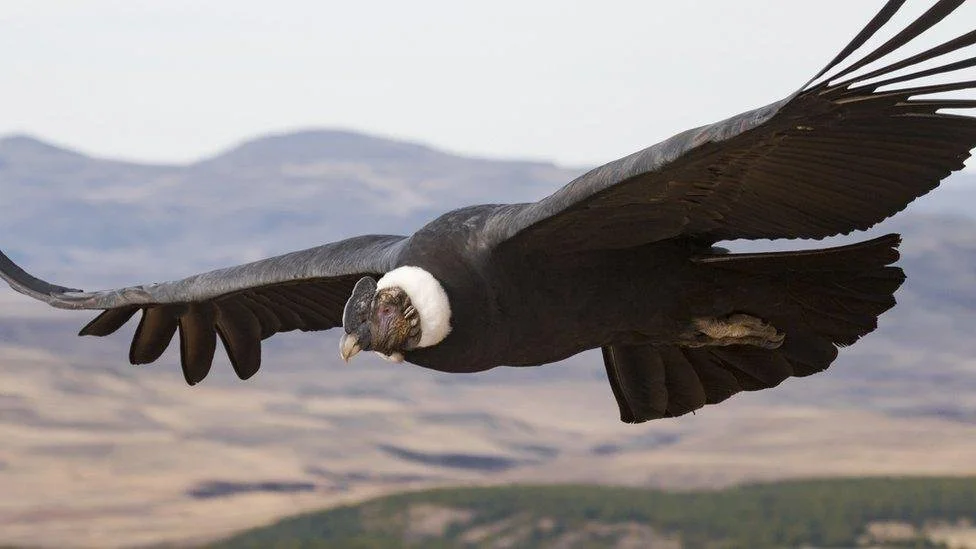
Vultur gryphus
Distribution: Western coast of South America
Physical Appearance: Head is covered in bare skin ranging from dull-pink to dark grey, with a prominent comb on top of its head. Black plumage with white flight feathers on the overside of the wings.
Wingspan: 2.7 – 3.2 m
Mass: 11 – 15 kg
CS: Vulnerable
Fun Fact: The heaviest species of vulture, with the largest wing surface of any extant flying bird.